Anti-Vandal Coatings for Commercial & Public Buildings
Durable, wipe-clean anti-vandal paint for stairwells, corridors and communal walls in blocks of flats, shops and public buildings. Across London and Kent.

Communal walls take a different kind of abuse
Stairwells, corridors, bin store areas and communal entrances in blocks of flats and commercial buildings get scuffed, marked and occasionally graffitied in a way a private home’s walls never do. Standard emulsion isn’t built for that — it marks permanently and needs repainting far more often than it should. Anti-vandal coating is a tougher, purpose-built system for exactly this kind of high-traffic, high-risk surface.
What’s involved
- Assess and prepare. Existing surface condition checked — flaking paint, damage or previous graffiti removal residue all need addressing before a durable coating goes on, or it won’t bond properly.
- Prime for the substrate. Block work, render, plaster and previously painted surfaces all take primer differently — the right system is chosen for what’s actually on the wall.
- Apply the anti-vandal coating. A hard-wearing, wipe-clean system — Zinsser AllCoat or Johnstone’s anti-graffiti range are typical examples — designed to resist scuffing, marking, and, depending on the product, graffiti — cleanable without the surface itself being damaged or needing repainting.
- Work around occupied buildings. Communal areas usually can’t be closed off for days at a time, so work is planned and, where needed, carried out out-of-hours to minimise disruption to residents or tenants.
Where it’s used
Stairwells and corridors in blocks of flats, communal entrance halls, bin store areas, shop and office interiors prone to scuffing, and any public-facing wall that gets more wear than a typical domestic surface.
Anti-vandal coating vs a repaint in standard emulsion
The two aren’t interchangeable, even though both start as “paint on a wall.” Standard emulsion is built for appearance in a low-traffic domestic room — it marks easily and doesn’t clean up well once it does. An anti-vandal coating is a harder, more chemically resistant system specifically built to be wiped, scrubbed, and in some cases have graffiti removed from it, without the wall needing repainting every time it gets marked. For a communal area that gets genuine daily wear, the higher upfront cost of the right coating is usually cheaper over a few years than repainting in standard emulsion on a repeat cycle.
What anti-vandal coating typically costs
Cost is driven by the area being coated and the condition of the substrate underneath, not by the “anti-vandal” label itself — it’s priced closer to a standard commercial paint job than as a specialist add-on. As a general guide for London and Kent in 2026, a single stairwell or corridor typically costs less than a whole communal block coated floor to floor, and a job with graffiti-removal residue or previously flaking paint to deal with first costs more than a clean, sound wall being coated for the first time. Because block sizes and substrates vary so much, we price this one from a site visit rather than a general table — get in touch with the areas involved and we’ll give you a written figure. For general day-rate context, see our price list and day-rate guide.
What’s included in a typical quote: assessing the existing surface, priming for the substrate (block work, render and plaster all take primer differently), applying the anti-vandal coating itself, and planning the work around the building being occupied.
What can cost extra: removing residue from previous graffiti-removal attempts, repairing flaking or previously damaged sections before the coating goes on, and out-of-hours or weekend working where a building genuinely can’t accommodate daytime access.
How long an anti-vandal coating lasts
Done properly, on a properly prepared substrate, an anti-vandal coating should hold up to years of normal communal wear — scuffing, marking, and regular wipe-cleaning — noticeably longer than standard emulsion would in the same space. How long any coating actually lasts in practice depends on the traffic the area gets and how it’s maintained day to day, so we won’t put a single number on every wall — but it’s a durability upgrade specifically because standard paint isn’t built to take that kind of repeated abuse.
Working with property managers and freeholders
Communal areas usually mean coordinating with more than one decision-maker — a managing agent, a freeholder, or a residents’ association, on top of the residents actually living there. We’re used to working to that structure: quotes and scheduling that a managing agent can sign off on, notice given to residents ahead of time where access to a stairwell or corridor is affected, and work carried out with as little disruption to daily comings and goings as the job allows.
Why Daking
Property managers, landlords and freeholders need work that’s reliable, doesn’t disrupt residents, and holds up — not a repaint every twelve months. Every anti-vandal coating job is quoted in writing with a fixed price and timeframe, and covered by our workmanship guarantee.
Why homeowners pick Daking for anti-vandal coatings
Two things that hold on every job, and four specific to anti-vandal coatings.
Verified 10/10 rating
Every review on Checkatrade scores 10/10 — the full record, not a highlight reel.
£1,000 workmanship guarantee
If a finish we've applied fails within 12 months due to our workmanship — peeling, blistering, visible cracking, or defects — we return and put it right at our cost, up to £1,000 per job. It doesn't cover damage from leaks, knocks, or normal wear and tear.
Built for daily abuse, not just appearance
A harder, more chemically resistant system than standard emulsion — built to be wiped, scrubbed, and in some cases have graffiti removed without repainting.
Right primer for the substrate
Block work, render, plaster and previously painted surfaces all take primer differently — the right system is chosen for what's actually on the wall.
Planned around occupied buildings
Communal areas usually can't be closed for days at a time — work is scheduled, and where needed carried out out-of-hours, to minimise disruption to residents.
Signed off the way managing agents need
Quotes and scheduling structured for a managing agent, freeholder or residents' association to approve — not just a homeowner's decision.
The finish is in the prep
Four steps. The middle two are where most of the time — and most of the difference — lives.
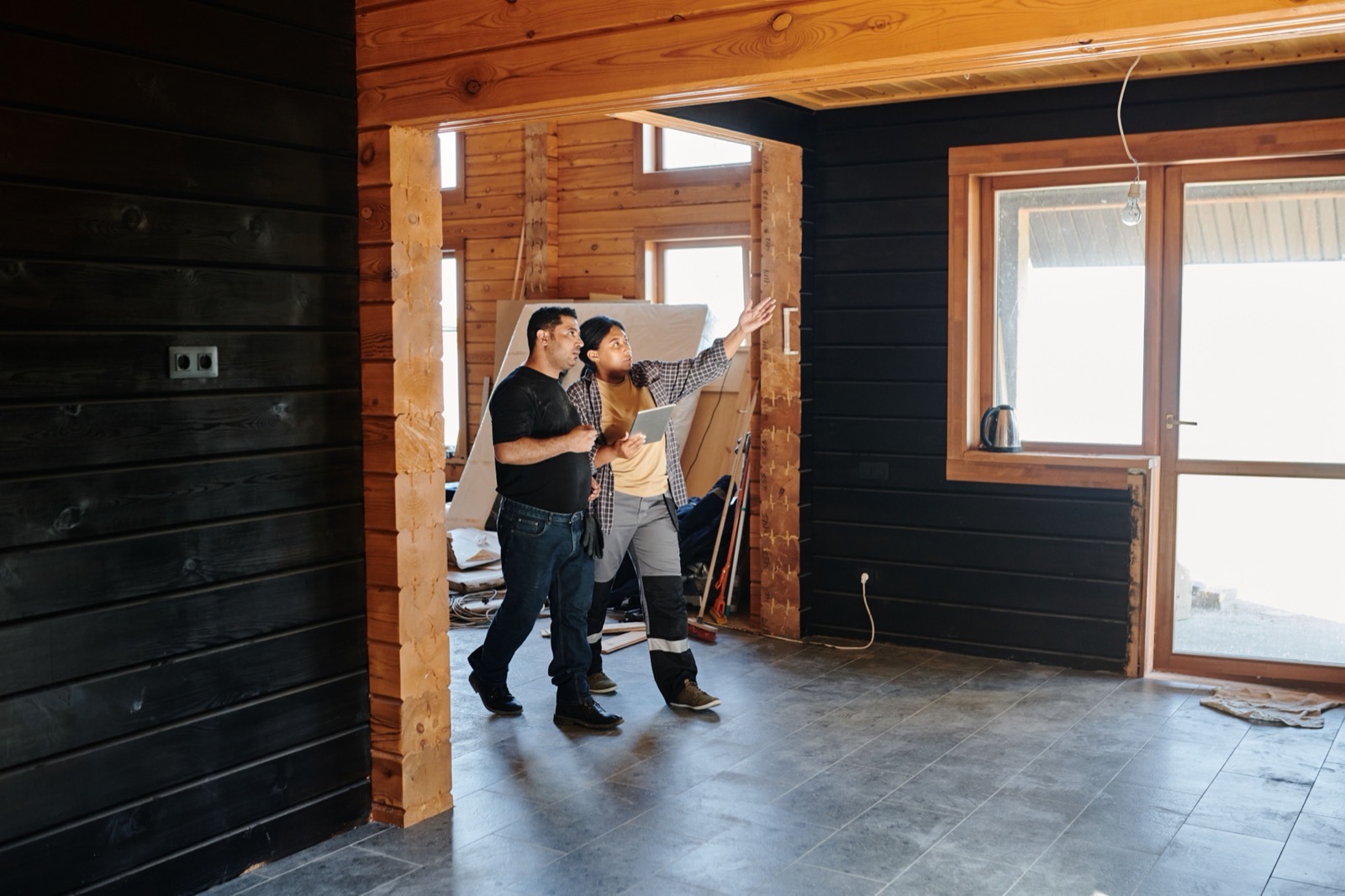
Consult
We come out, look at the job, talk through what you want. No charge for the visit or the quote.

Prepare
Fill, sand, caulk, mask. Where most of the time goes, and most of the difference is made.
Coat
A durable, wipe-clean coating rolled on evenly — built to take knocks and graffiti removal without losing its finish.

Clean up
Hoover, wipe down, take the rubbish with us. You wouldn't know we'd been — except for the finish.
Where we cover anti-vandal coatings
If your postcode is on this list, we'll come out and quote free of charge. Not sure if you're in our patch? Send us your postcode — we cover most of London, plus Kent.
- BeckenhamBR3
- BromleyBR1 · BR2
- CroydonCR0
- WimbledonSW19
- GreenwichSE10
- OrpingtonBR5 · BR6
- Sidcup & BexleyDA14 · DA16
- DulwichSE21 · SE22
- ClaphamSW4
- LewishamSE13
- Kingston upon ThamesKT1 · KT2
- TwickenhamTW1 · TW2
- SuttonSM1 · SM2
- WandsworthSW18
Questions about anti-vandal coatings
Don't see your question here? Send it through the form below — we'll come back to you.
Get a free anti-vandal coatings quote today.
Fill in the form and we'll call you back — usually the same day. Or message us on WhatsApp if that's easier.