Wallpaper Hanging & Wallpapering Services
Professional wallpaper hanging and installation — pattern-matched, seam-rolled by hand, no lifting edges. Wallpapering across London and Kent.
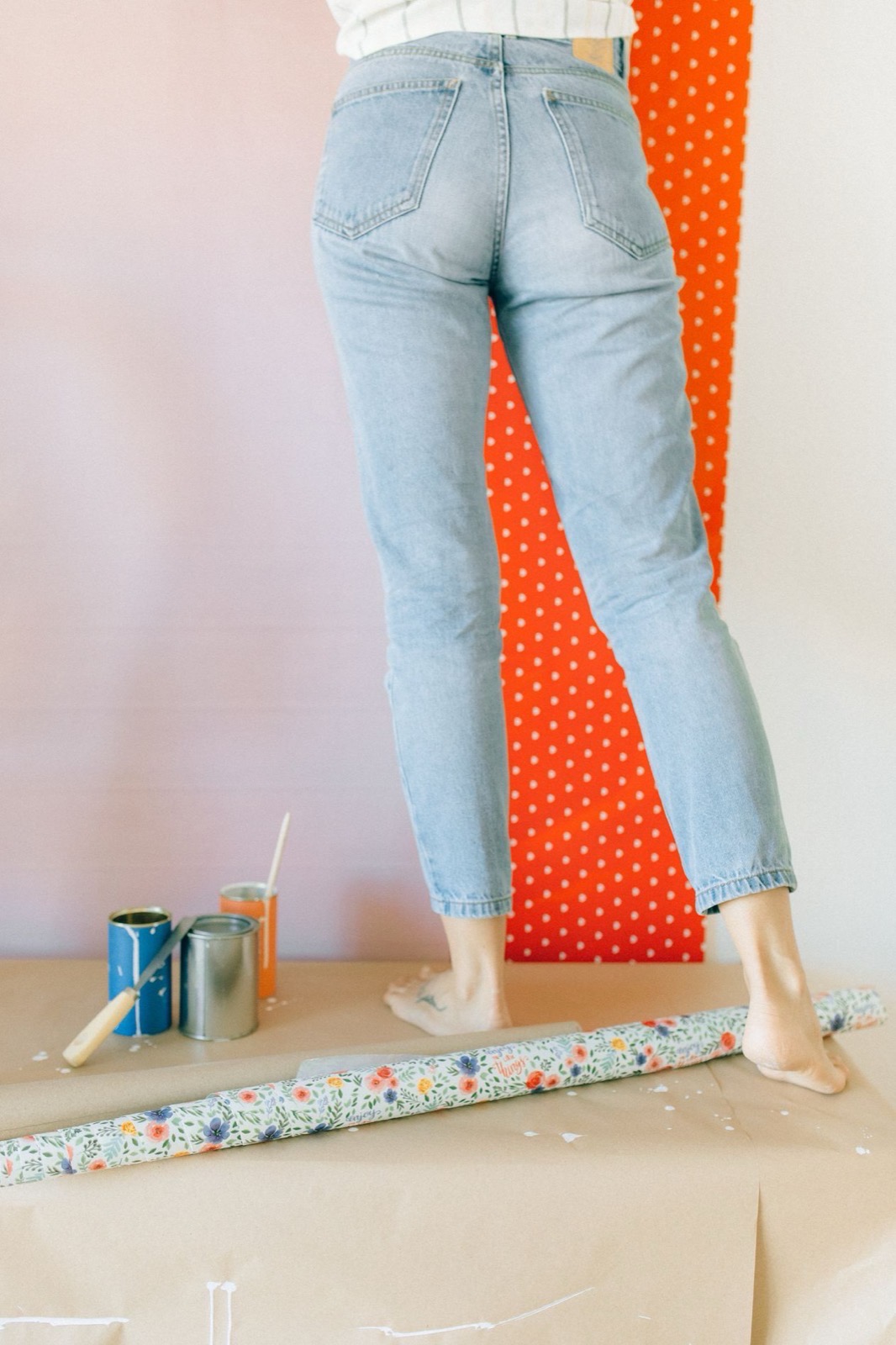
A wallpaper job is won or lost on the wall underneath it
Wallpaper doesn’t hide a poor surface — it shows it. Every dent, old nail hole, or patch of uneven plaster reads straight through new paper, especially under side light. So a proper wallpapering job starts with the wall, not the roll.
What’s involved
- Strip what’s there. Old paper removed and the wall taken back to a clean, sound surface — including old adhesive residue that would otherwise stop new paper bonding properly.
- Prepare the wall. Holes and dents filled and sanded flat, with lining paper hung first where the wall needs it — see below for when that actually applies.
- Plan the pattern. Pattern repeat and drop worked out before the first drop goes up, so matches line up at eye level and around corners rather than wherever the roll happened to land.
- Hang and seam-roll. Each length hung plumb, trimmed cleanly at skirting and ceiling, and every seam rolled flat by hand so it doesn’t lift as the paste dries.
Feature walls to full rooms
From a single feature wall to a full room or hallway, the standard doesn’t change — pattern-matched drops, properly rolled seams, and a wall that’s actually ready to take the paper before we start hanging it.
Wallpaper or paint?
Wallpaper generally outlasts a paint finish before it needs redoing — a well-hung paper on a properly prepared wall can easily see out two or three repaints’ worth of years. It’s not the right call everywhere, though. Bathrooms and other rooms with real damp or condensation are worth thinking twice about: even vinyl papers can lift at the seams over time in consistently humid conditions, and paint — or a paper specifically rated for high-moisture rooms — is usually the safer bet. If you’re renting or expect to move within a couple of years, paint is also cheaper and quicker to put right before you go, where a feature wall is a bigger job to reverse. We’ll give you a straight answer on which fits your room and your plans when we come out to quote — there’s no upsell either way. Our wallpaper vs paint comparison goes into the cost and durability numbers in more detail.
What wallpapering typically costs
Cost depends mostly on room size, whether lining paper is needed first, and how demanding the pattern repeat is. As a general guide for London and Kent in 2026:
- Hanging only, paper supplied by you: £250–£450 for an average room
- Paper plus hanging (we source it): £300–£650 for an average room
A large-repeat or hard-to-match pattern, a room needing lining paper throughout, or a lot of cutting-in around coving, fireplaces and window reveals all sit toward the top of that range. See our wallpaper vs paint comparison for how these figures stack up against a paint finish for the same room, and our full price list for wider context.
What’s included in a typical quote: stripping old paper, wall preparation and filling, lining paper where the wall needs it, pattern planning, and hanging with every seam rolled by hand. If you’re supplying the paper, factor in roll cost separately — budget paper runs roughly £15–£25 a roll, mid-range pattern £40–£80, and designer paper £100+, with a standard room typically needing 5–10 rolls.
What can cost extra: a wall in poor condition that needs more than filling — patchy old plaster or damp that needs treating before paper goes anywhere near it — a large or awkward pattern repeat that increases waste and cutting time, and difficult access like stairwells or high ceilings.
Do you supply the paper, or do I?
Either works. Plenty of customers already have a specific roll picked out — in which case we simply hang it — and we’re just as happy to source it for you if you’d rather not deal with ordering, working out how many rolls you need, or the risk of a discontinued print between ordering and hanging. If you are buying it yourself, order at least one roll more than the calculator says: cutting for pattern matches always wastes a bit more than a straight run, and it’s far easier to have a spare roll than to try and match a discontinued batch later.
Types of wallpaper we hang
Not every paper hangs the same way.
- Vinyl is the standard choice for most rooms — wipeable, forgiving to hang, and the most widely stocked. Usually paste-the-paper: paste goes on the back of the length, which then needs a short soaking time before it’s ready to hang.
- Non-woven (paste-the-wall) paper works differently — paste goes straight onto the wall instead, so there’s no soaking time and less risk of the paper stretching or tearing while it’s wet. It’s become the more common format on newer ranges, though plenty of paste-the-paper vinyl is still sold too. We hang both, and it’s worth checking which yours is before ordering paste, since the two aren’t interchangeable.
- Grasscloth, silk-effect and other textured papers mark permanently if paste gets on the face, so they need a different pasting and trimming approach to a standard vinyl.
- Large-format murals need the wall dead flat and the drops planned even more precisely, since there’s no repeat pattern to hide a small misalignment.
We’ll tell you upfront if a paper you’ve chosen needs a different approach or extra care, rather than treating every roll the same.
Do I need lining paper?
Not always. Lining paper goes up first to even out a wall’s surface and stop small imperfections telegraphing through the finish paper on top — it matters most with lighter or plainer papers, where every ripple in the wall underneath shows, and on walls that have had a few skims of filler over the years and aren’t perfectly flat. A wall that’s already sound, flat and previously papered often doesn’t need it. It’s sold by weight, referred to as “grade” — 1000 and 1200 grade cover most standard jobs, with a heavier 1400 grade reserved for walls in genuinely poor condition. We’ll tell you honestly whether your wall needs it rather than adding it as a matter of course.
Why Daking
We’re a Checkatrade-vetted wallpaper installer working across London and Kent, with every job quoted in writing and covered by our workmanship guarantee. If a seam lifts because of how it was hung, we come back and fix it.
Why homeowners pick Daking for wallpapering
Two things that hold on every job, and four specific to wallpapering.
Verified 10/10 rating
Every review on Checkatrade scores 10/10 — the full record, not a highlight reel.
£1,000 workmanship guarantee
If a finish we've applied fails within 12 months due to our workmanship — peeling, blistering, visible cracking, or defects — we return and put it right at our cost, up to £1,000 per job. It doesn't cover damage from leaks, knocks, or normal wear and tear.
Pattern planned before the first drop goes up
Repeats and drops worked out in advance so matches line up at eye level and round corners, not wherever the roll happens to land.
Lining paper where the wall needs it
Most walls get lining paper first — it stops seams and imperfections telegraphing through the new paper.
Every seam rolled flat by hand
So it doesn't lift as the paste dries — if a seam does lift because of how it was hung, we come back and fix it.
Honest wallpaper vs paint advice
No upsell either way — we'll tell you honestly which finish actually suits the room when we come out to quote.
The finish is in the prep
Four steps. The middle two are where most of the time — and most of the difference — lives.
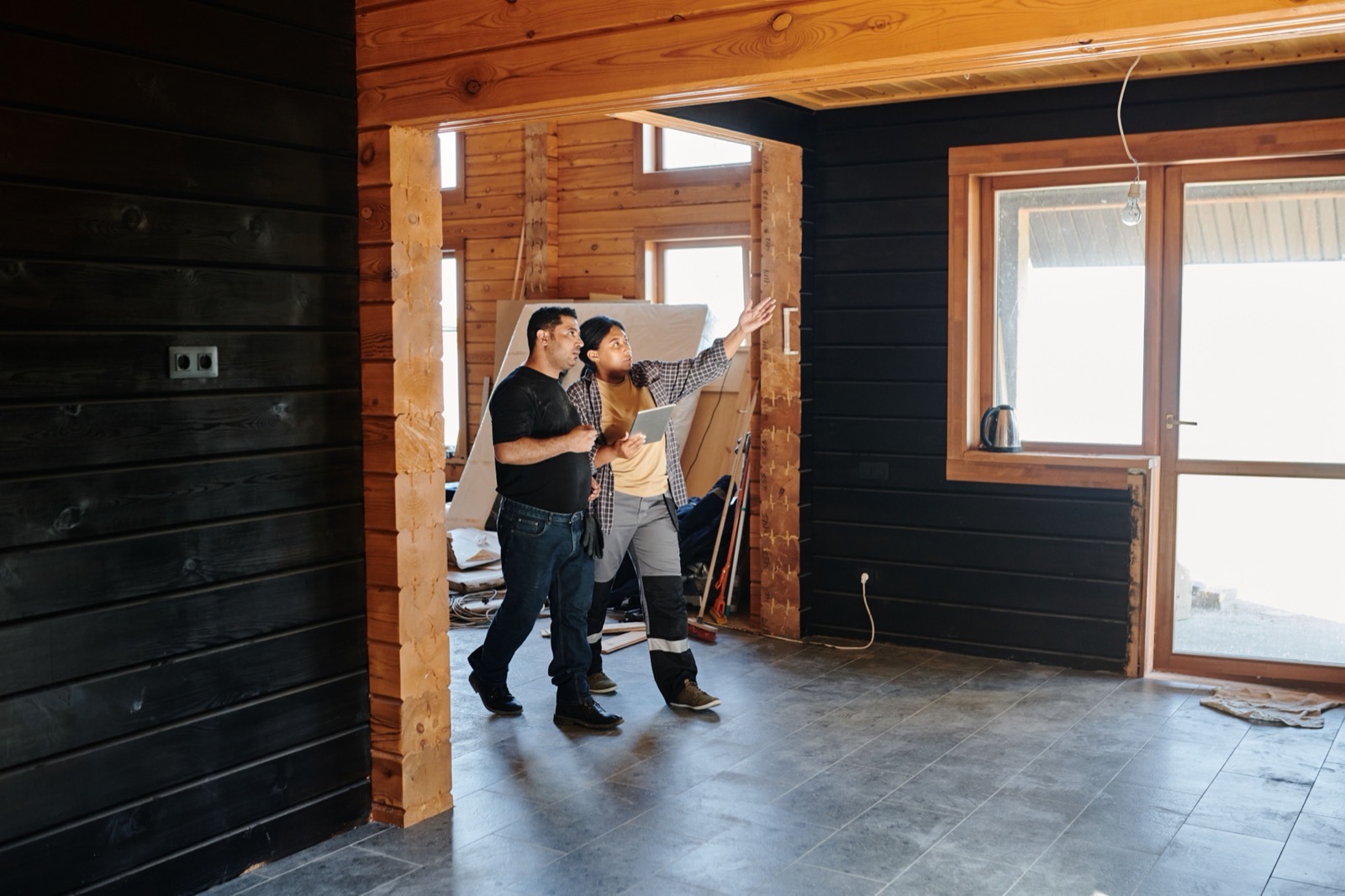
Consult
We come out, look at the job, talk through what you want. No charge for the visit or the quote.
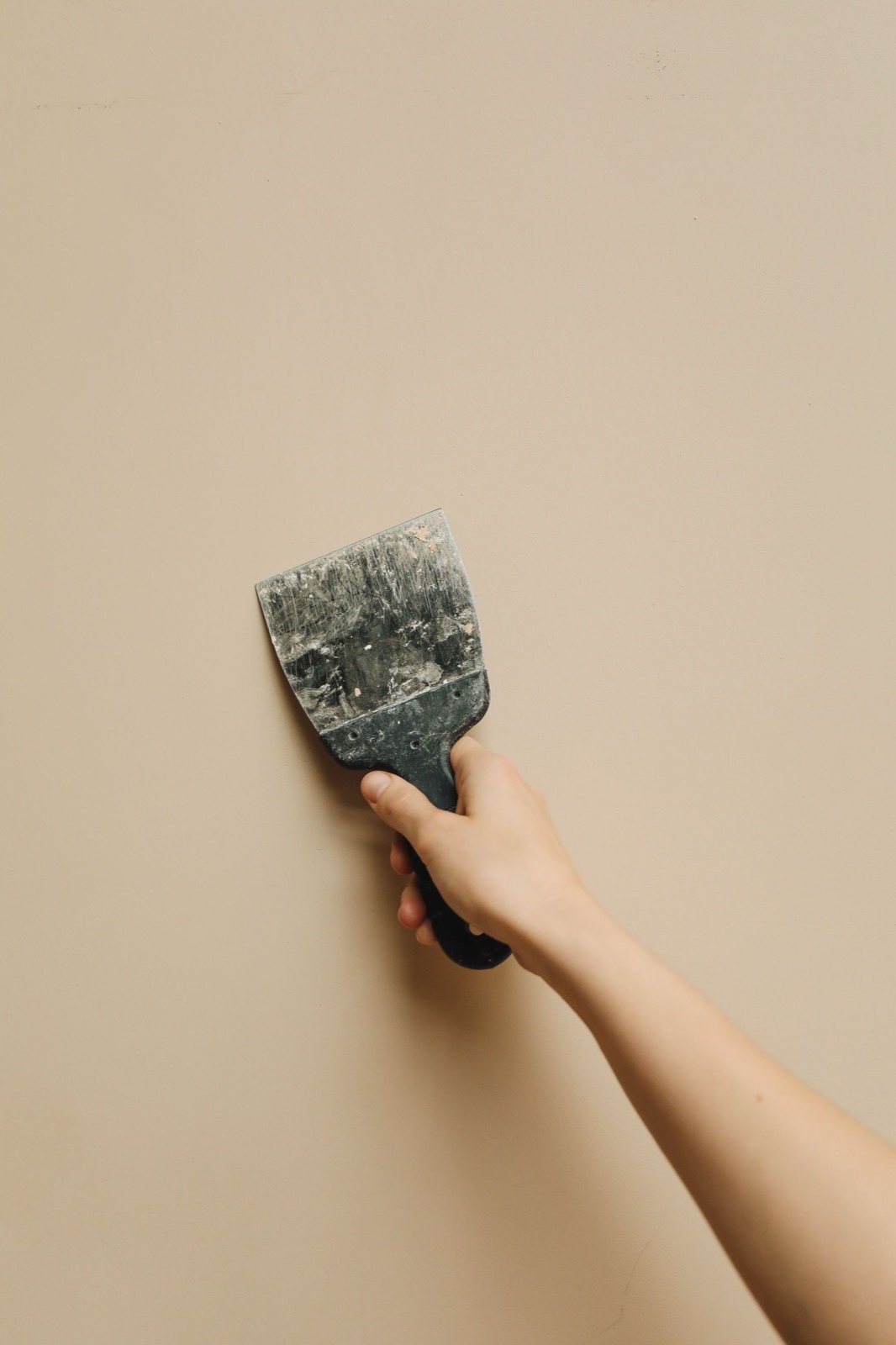
Prepare
Fill, sand, caulk, mask. Where most of the time goes, and most of the difference is made.
Hang
Pattern-matched, seam-rolled by hand, working top to bottom so every drop lines up.
Clean up
Hoover, wipe down, take the rubbish with us. You wouldn't know we'd been — except for the finish.
Where we cover wallpapering
If your postcode is on this list, we'll come out and quote free of charge. Not sure if you're in our patch? Send us your postcode — we cover most of London, plus Kent.
- BeckenhamBR3
- BromleyBR1 · BR2
- CroydonCR0
- WimbledonSW19
- GreenwichSE10
- OrpingtonBR5 · BR6
- Sidcup & BexleyDA14 · DA16
- DulwichSE21 · SE22
- ClaphamSW4
- LewishamSE13
- Kingston upon ThamesKT1 · KT2
- TwickenhamTW1 · TW2
- SuttonSM1 · SM2
- WandsworthSW18
Questions about wallpapering
Don't see your question here? Send it through the form below — we'll come back to you.
Get a free wallpapering quote today.
Fill in the form and we'll call you back — usually the same day. Or message us on WhatsApp if that's easier.