Interior Painting & Decorating in London & Kent
Walls, ceilings and woodwork painted properly — filled, sanded and masked first, then two coats cut in by hand. Interior painting across London and Kent.
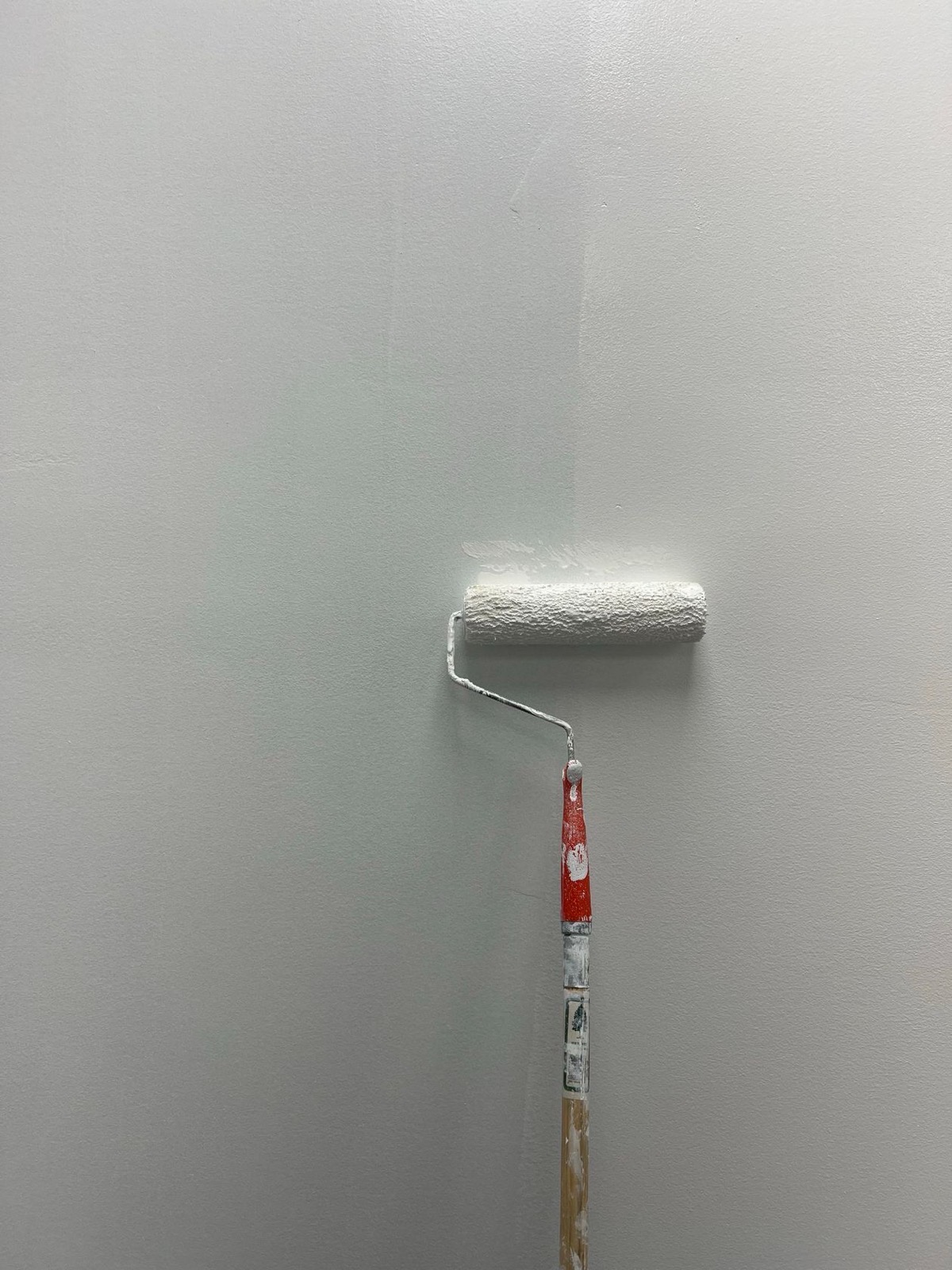
Painting is the easy part
Anyone can put a coat of paint on a wall. The part that decides whether it still looks right in three years — not three months — happens before the tin is even opened: filling the hairline cracks, sanding back the old brush marks, caulking the gap where the wall meets the ceiling, masking the skirting so the line is crisp instead of freehand.
That’s where most of the time on an interior job actually goes. Painting itself, once the surface is ready, is comparatively quick.
What’s involved
A typical interior job runs in this order:
- Protect the room. Furniture moved and covered, floors sheeted, sockets and switches masked.
- Prepare the surfaces. Cracks and nail holes filled, sanded flat, walls washed down where needed, gaps at skirtings and coving caulked so the line reads clean rather than shadowed.
- Prime where it’s needed. Bare plaster, stained patches, and repaired areas get a proper coat first so the finish colour goes on even, not patchy.
- Paint. Two coats minimum, cut in by hand along ceilings, skirtings and door frames, rolled flat everywhere else.
- Clean up. Sheets folded, floors hoovered, rubbish taken with us. You shouldn’t be able to tell we were there — except for the walls.
Rooms, hallways, whole houses
Whether it’s a single bedroom, a stairwell and landing, or a full house repaint between moving in and unpacking, the approach doesn’t change: same prep standard, same two-coat minimum, whether it’s one wall or twelve.
Hallways and stairwells get particular care with masking — they’re usually the highest-traffic, most-scuffed part of a house, and the areas where a rushed cut-in line shows up first.
What interior painting typically costs
Prices vary with room size, how much prep the existing walls and woodwork need, and access — but as a general guide for London and Kent in 2026:
- Single bedroom (walls, ceiling, woodwork): £250–£550
- Living room (average size): £500–£900
- Full 3-bed house interior: £3,000–£6,000
Those are ranges, not quotes. A room with sound, flat walls and minimal woodwork sits at the bottom; a room with cracked plaster, several coats of old gloss on the skirting, or a colour change that needs an extra coat sits at the top. See our full price list and day-rate guide for the numbers behind these figures, or our room-by-room cost guide for a size-by-size breakdown.
What’s included in a typical quote: furniture protection and masking, filling and sanding, priming where needed, two coats of standard trade paint, and cleanup at the end. Labour and materials for that scope are covered by the price we quote — there’s no separate call-out fee.
What can push a quote higher: a premium or specialist paint you’ve chosen instead of standard trade paint, plaster in poor enough condition to need proper repair rather than filling, hard-to-reach areas like stairwells and high ceilings that need towers rather than a stepladder, and rooms with heavy woodwork detail — picture rails, coving, panelled doors — that all add cutting-in time. None of that is a hidden extra; it’s assessed on the visit and written into the quote before work starts.
Choosing a paint finish
Matt is the standard choice for walls and ceilings in most rooms — it hides minor surface imperfections better than anything with a sheen. Kitchens, bathrooms and hallways are usually better served by an eggshell or a washable matt, since they need to survive steam, splashes and being wiped down without the finish going patchy. Woodwork almost always gets a satin or eggshell rather than a full gloss, which shows every brush mark and surface flaw far more than a lower-sheen finish does. We’ll talk through the right finish for each room when we quote, rather than defaulting to one sheen across the whole job.
Which paint do we use?
Dulux Trade and Leyland as standard — reliable, consistent coverage, and available in pretty much any colour we need to match. If you’ve already got your heart set on a premium brand like Farrow & Ball, Little Greene or Mylands, or a specific colour from one, we’re just as happy to use it — we’ll factor the cost difference into the quote rather than talk you out of it. The brand isn’t where corners get cut on our jobs either way; the prep underneath it is.
Working around you while we’re in your home
Most interior jobs happen in a home you’re still living in, not an empty shell. That means furniture gets moved and covered rather than emptied out of the room entirely wherever possible, and we work room by room so you’re not without a usable kitchen or bathroom for the whole job. If you’re renovating an empty property between moving in and unpacking, or getting a flat ready to let, the job runs faster with nothing to work around — but the prep and finish standard doesn’t change either way.
Why Daking
Both of the reviews below mention the same thing, unprompted: the amount of care that goes into getting the surface right before paint goes anywhere near it. That’s not a coincidence — it’s the actual difference between a finish that’s still flat and even in a few years and one that isn’t.
Interior painting is covered by our workmanship guarantee, and every job is quoted in writing before work starts, with a fixed price and a fixed timeframe.
Real reviews about interior painting
Two genuine reviews specifically about interior painting and decorating.
“We have used David's services a couple of times now - one to paint our hallway upstairs and down, and our ceilings. He is meticulous, neat and tidy, he also goes the extra effort to make sure surfaces are well prepared (something I would never bother myself) but it actually makes all the difference to the finish. It feels like he really takes care in what he does which is nice. Lastly he is just a lovely person to work with and also communicates quickly and clearly. My partner and I highly recommend and will be using his services again very soon!”
“Akin is an exceptional painter/decorator & I highly recommend him. He painted a newly plastered room/ceiling & 2 others rooms with poor existing paintwork. He goes above & beyond; rather than masking flaws, he meticulously sanded surfaces & repaired blown plaster. The final paint finish is excellent & absolutely flawless. He's a true perfectionist with a superb eye for detail. Akin worked tirelessly, kept the site spotless & hit our tight deadline. Highly skilled, reliable, punctual & a total pleasure to deal with. We won't hesitate to use him again. Akin has truly transformed our home!”
All reviews independently verified. See more reviews. Get a quote →
Why homeowners pick Daking for interior painting
Two things that hold on every job, and four specific to interior painting.
Verified 10/10 rating
Every review on Checkatrade scores 10/10 — the full record, not a highlight reel.
£1,000 workmanship guarantee
If a finish we've applied fails within 12 months due to our workmanship — peeling, blistering, visible cracking, or defects — we return and put it right at our cost, up to £1,000 per job. It doesn't cover damage from leaks, knocks, or normal wear and tear.
Two coats, cut in by hand
Every job gets a minimum of two coats, cut in by hand along ceilings, skirtings and door frames — not rushed to save time.
Same standard, one room or a whole house
Whether it's a single bedroom or a full house repaint, the prep and two-coat minimum never changes.
Work around you while you live there
Furniture moved and covered, not emptied out — we work room by room so you're not without a usable kitchen or bathroom.
Finish sheen matched to the room
Matt for most walls, eggshell or washable matt for kitchens, bathrooms and hallways — talked through at quote stage, not defaulted.
The finish is in the prep
Four steps. The middle two are where most of the time — and most of the difference — lives.
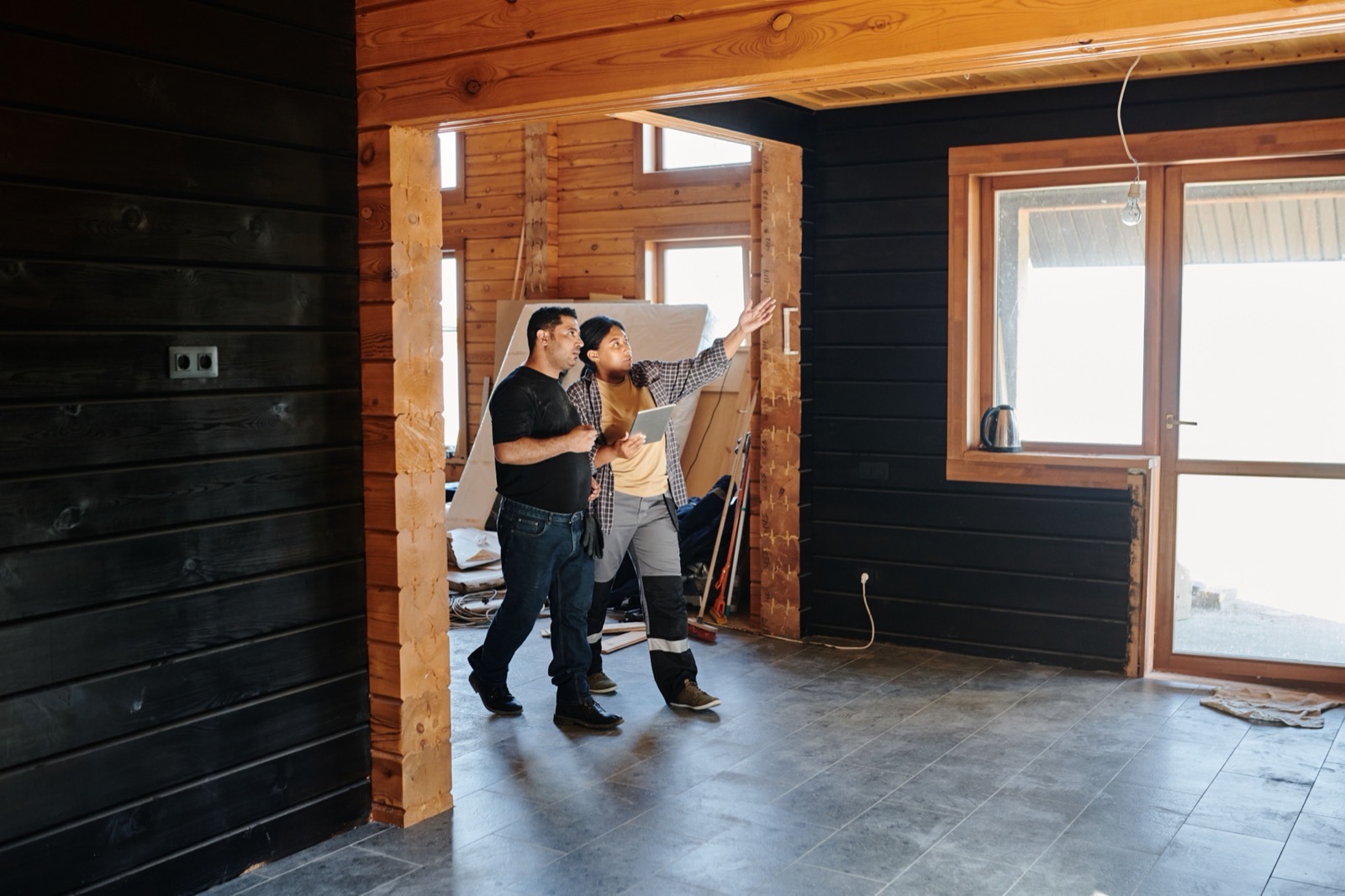
Consult
We come out, look at the job, talk through what you want. No charge for the visit or the quote.
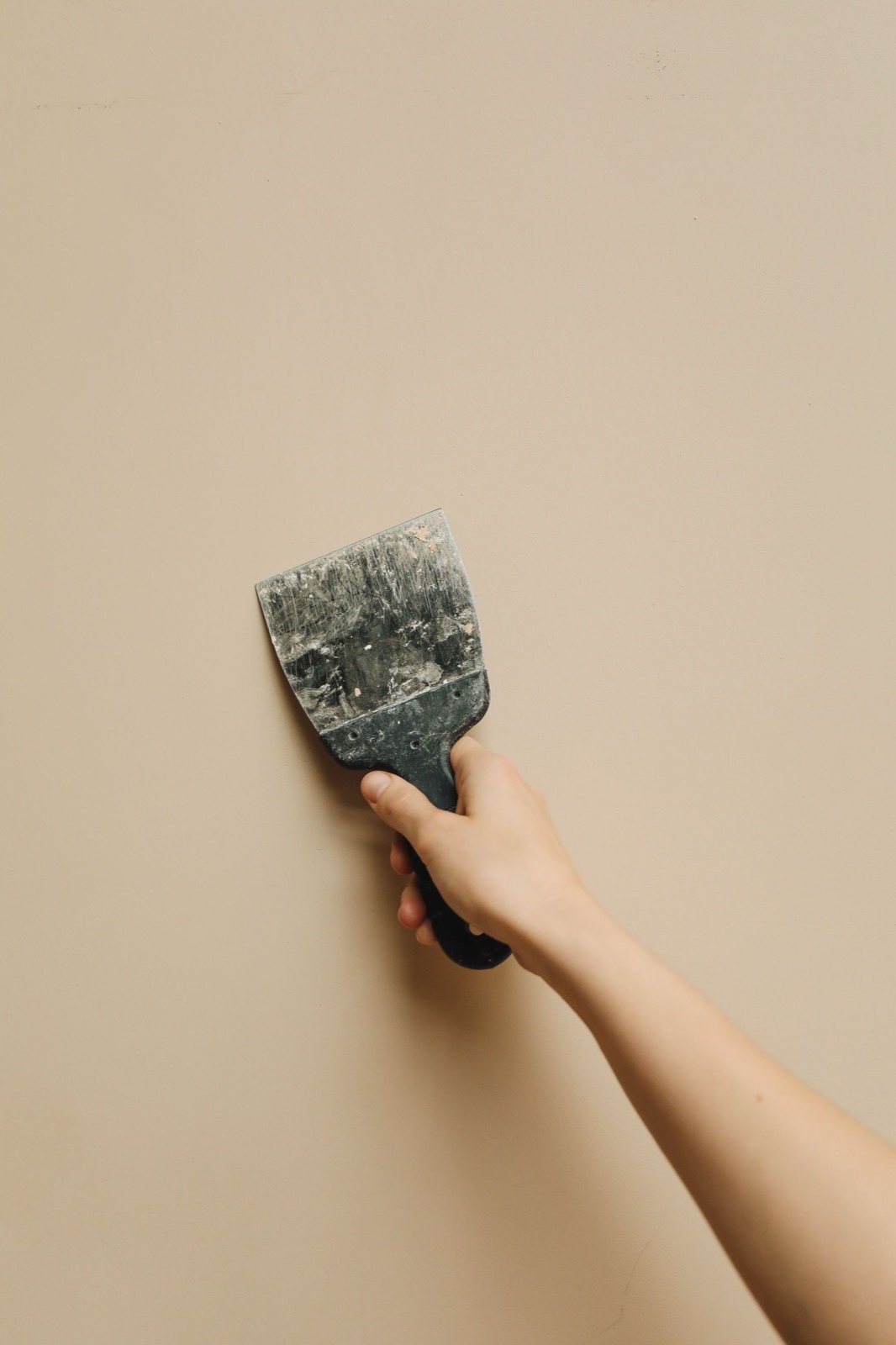
Prepare
Fill, sand, caulk, mask. Where most of the time goes, and most of the difference is made.
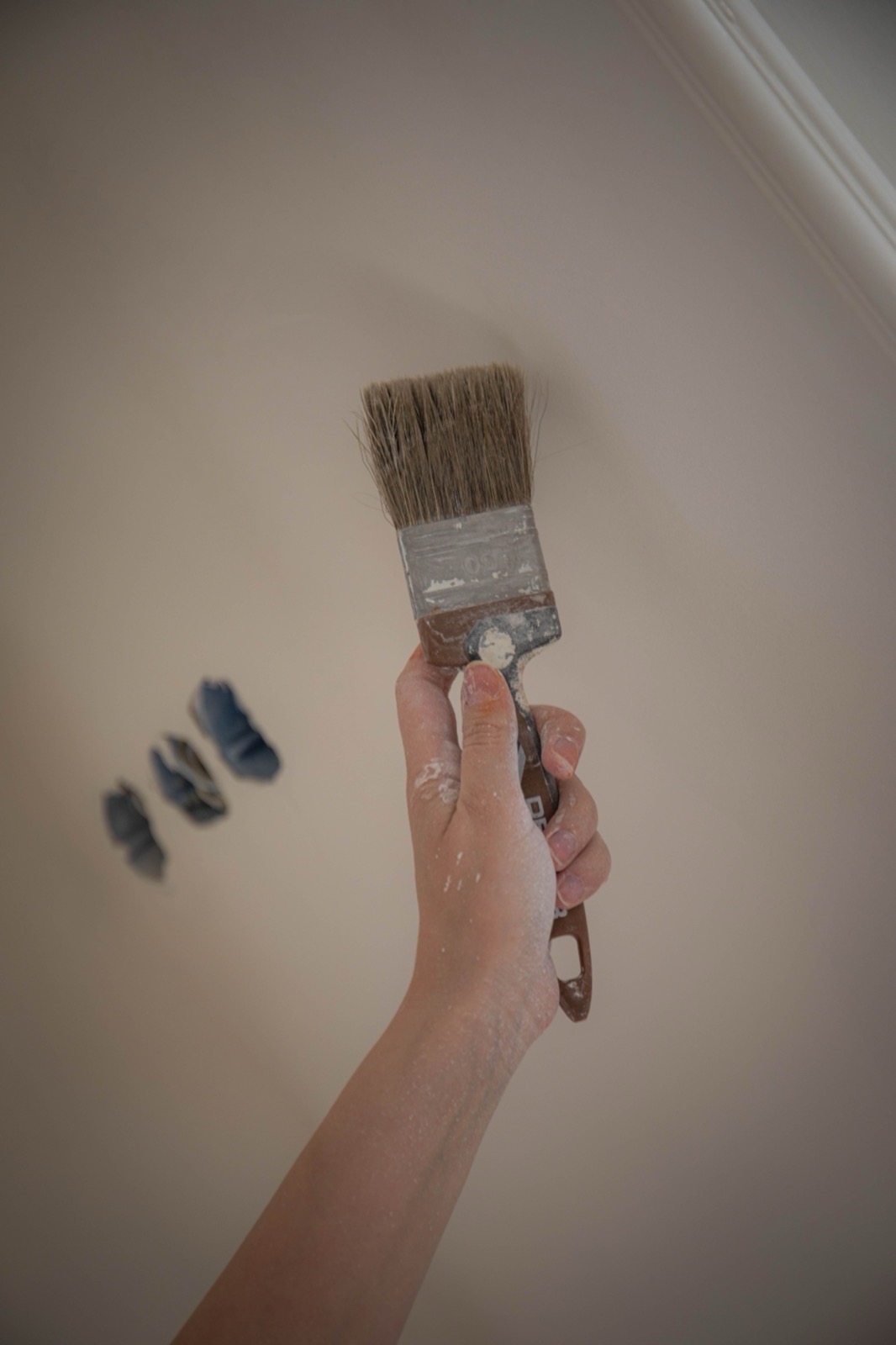
Paint
Two coats minimum, cut in by hand, rolled flat. Quality paint, the right tools, the right order.
Clean up
Hoover, wipe down, take the rubbish with us. You wouldn't know we'd been — except for the finish.
Where we cover interior painting
If your postcode is on this list, we'll come out and quote free of charge. Not sure if you're in our patch? Send us your postcode — we cover most of London, plus Kent.
- BeckenhamBR3
- BromleyBR1 · BR2
- CroydonCR0
- WimbledonSW19
- GreenwichSE10
- OrpingtonBR5 · BR6
- Sidcup & BexleyDA14 · DA16
- DulwichSE21 · SE22
- ClaphamSW4
- LewishamSE13
- Kingston upon ThamesKT1 · KT2
- TwickenhamTW1 · TW2
- SuttonSM1 · SM2
- WandsworthSW18
Questions about interior painting
Don't see your question here? Send it through the form below — we'll come back to you.
Get a free interior painting quote today.
Fill in the form and we'll call you back — usually the same day. Or message us on WhatsApp if that's easier.