Door & Wooden Window Stripping and Repainting
Doors, wooden windows and skirtings stripped back to bare wood and re-finished properly — not painted straight over years of old coats. Across London and Kent.
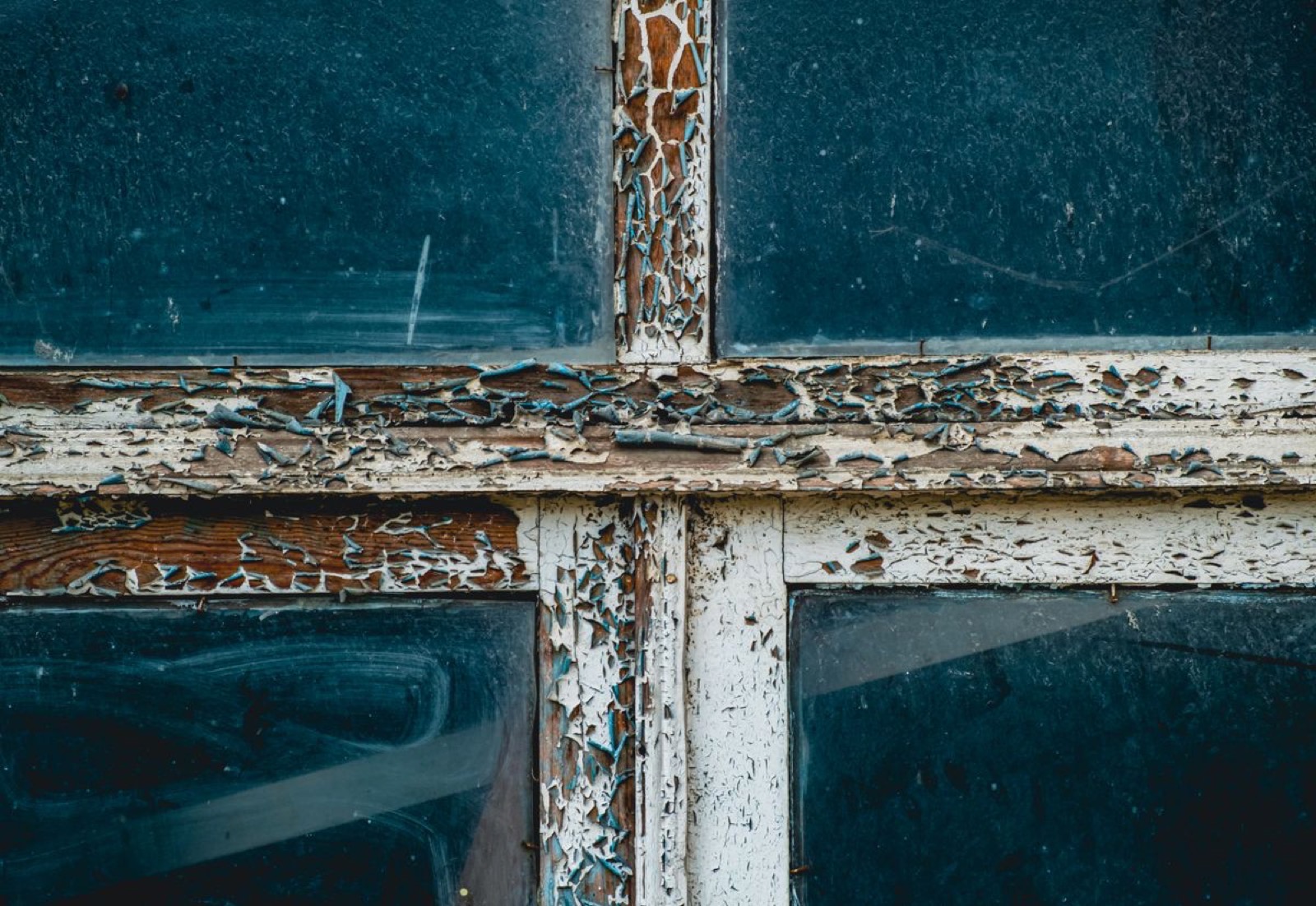
Years of paint don’t disappear under one more coat
Doors, wooden windows, and skirtings that have been painted over repeatedly build up thick, uneven layers — paint pooling in the mouldings, hinges and handles that no longer sit flush, sash windows that stick because the paint has sealed the running surfaces shut. Another coat on top just adds to the problem. Stripping it back to bare wood is the only way to actually fix it.
What’s involved
- Strip back to bare wood. Old paint layers removed properly rather than sanded just enough to key the next coat — this is the part that actually takes the time.
- Assess the timber. Once it’s stripped, any rot, splits or old filler that’s failed gets flagged before we go further — no point re-finishing over a problem that’s still there.
- Fill and sand. Genuine damage repaired, then sanded smooth so the grain and any mouldings read cleanly again.
- Prime and finish. Primed to seal the bare timber — a stain-blocking primer like Zinsser’s Cover Stain where old staining or tannin bleed-through is a risk — then finished in paint or a clear/stained varnish depending on what you want. Sash windows get particular attention so the running surfaces stay free-moving once finished.
Doors, windows and skirtings
Front doors and internal doors, wooden sash and casement windows, and skirting boards that have had one coat too many all get the same treatment: strip, assess, repair where it’s genuinely needed, then finish properly.
When it’s worth calling a professional
Stripping a single door back yourself with a heat gun and some patience is a realistic weekend job for some homeowners, and we’re not going to pretend otherwise. Where it gets harder — and where calling a professional pays for itself — is on painted-shut sash windows, timber with old lead paint that needs handling correctly, or a whole house’s worth of doors and skirtings where doing it properly at scale, without gouging the wood or missing rot underneath, takes both time and the right method for the substrate.
What stripping and re-finishing typically costs
Price is driven mainly by how many layers of old paint are on the timber and how much genuine repair the wood needs underneath — a stripped door with sound timber is quick; one with rot behind the paint isn’t. As a general guide for London and Kent in 2026:
- A single door, stripped and repainted: £80–£180
- A sash or casement window, both sashes stripped and repainted: typically more than a single door, because of the extra frame, mouldings and moving mechanism involved — expect this to sit noticeably above the per-door figure, and we’ll give you an exact price once we’ve assessed the specific window
- A full house’s worth of doors, windows and skirtings varies enormously with how many items there are — see our full price list for wider context, and our guide on stripping paint from a door yourself if you’re weighing DIY against calling a professional.
What’s included in a typical quote: stripping back to bare wood, assessing the timber once it’s exposed, filling and sanding any genuine damage, and priming and finishing in your choice of paint or stain/varnish.
What can cost extra: rot or splits found once the old paint is off — this is flagged before we go further, not silently repaired and added to the bill afterwards — confirmed or suspected lead paint, which needs wet-stripping and proper containment rather than dry sanding, and sash windows that are painted shut and need the running mechanism freed as well as refinished.
Handling lead paint properly
Lead paint was in common use in UK homes until it was restricted in 1978, and it still turns up under later coats on original doors, windows and skirtings in a lot of Victorian and Edwardian properties across London and Kent. Dry sanding or open-flame heat-stripping lead paint releases dust and fumes that shouldn’t be breathed in, by us or by anyone in the property. Where lead paint is confirmed or genuinely suspected, we use wet-stripping methods and proper dust control rather than dry sanding — this is one of the areas where the difference between doing it properly and doing it quickly actually matters for health, not just finish quality.
Paint or a clear/stained finish?
Once timber is stripped back to bare wood, you’re not locked into repainting it the same colour, or into paint at all. A door or window in good, sound timber can be finished with a clear or stained varnish instead, showing the grain rather than covering it — worth considering on period doors and original features where the wood itself is attractive enough to be worth showing. We’ll give an honest read on whether your specific timber is in good enough condition for that once it’s stripped and we can actually see it.
Why Daking
Every stripping job is quoted in writing before we start, based on what we can see the timber’s condition actually is, and covered by our workmanship guarantee once it’s finished.
Why homeowners pick Daking for wood & window stripping
Two things that hold on every job, and four specific to wood & window stripping.
Verified 10/10 rating
Every review on Checkatrade scores 10/10 — the full record, not a highlight reel.
£1,000 workmanship guarantee
If a finish we've applied fails within 12 months due to our workmanship — peeling, blistering, visible cracking, or defects — we return and put it right at our cost, up to £1,000 per job. It doesn't cover damage from leaks, knocks, or normal wear and tear.
Stripped to bare wood, not sanded and covered
Old paint layers properly removed rather than just keyed for the next coat — the only way to actually fix pooling, sticking sashes and flush hardware.
Lead paint handled properly
Where lead paint is confirmed or suspected, wet-stripping and proper dust control is used instead of dry sanding — a real health consideration, not just a finish one.
Timber assessed before we go further
Rot, splits or failed old filler flagged once the old paint is off — not silently repaired and added to the bill afterwards.
Paint or a clear/stained finish
Once wood is stripped back, you're not locked into repainting — we'll give an honest read on whether the timber's good enough to show, not just cover.
The finish is in the prep
Four steps. The middle two are where most of the time — and most of the difference — lives.
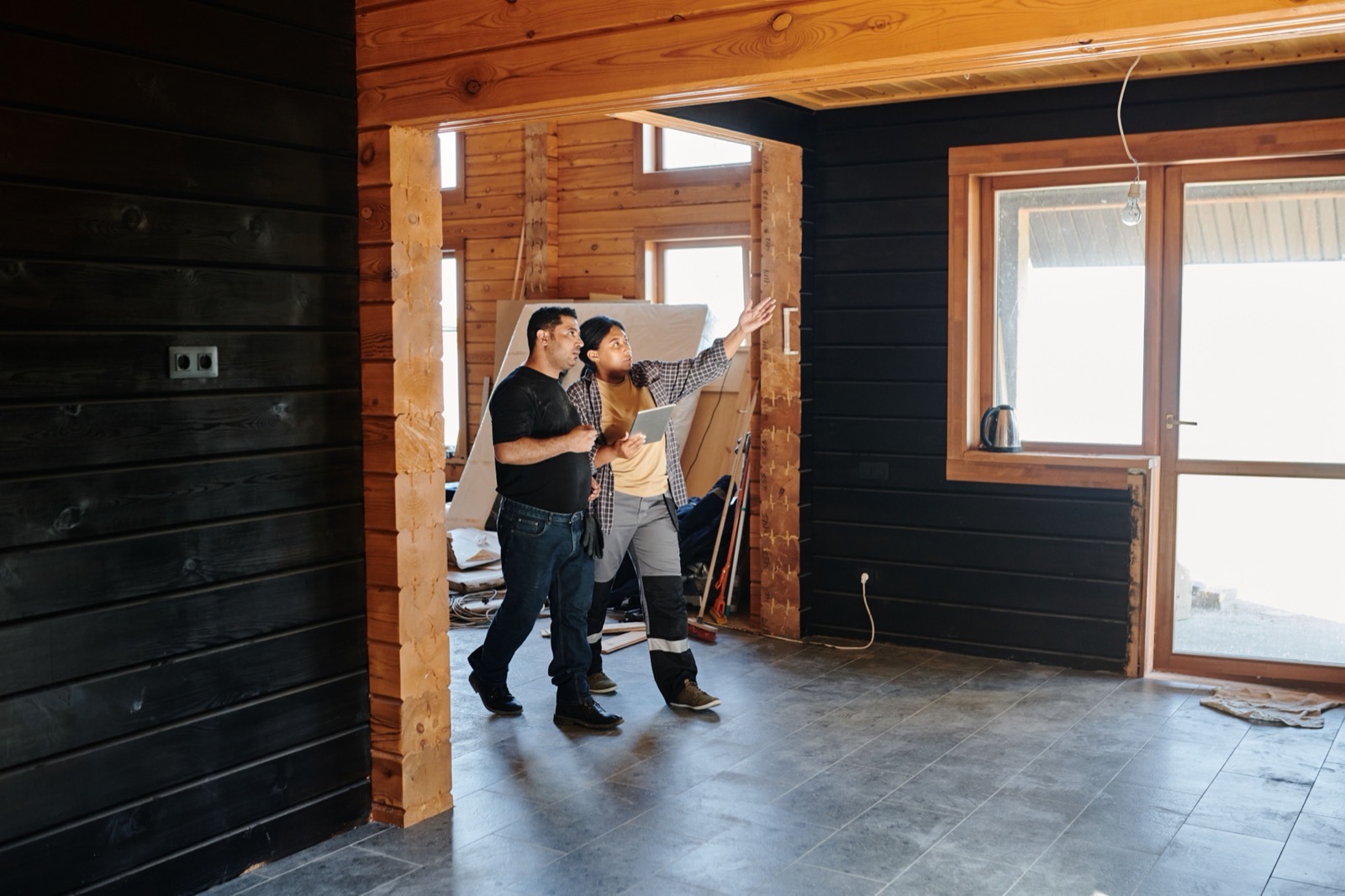
Consult
We come out, look at the job, talk through what you want. No charge for the visit or the quote.
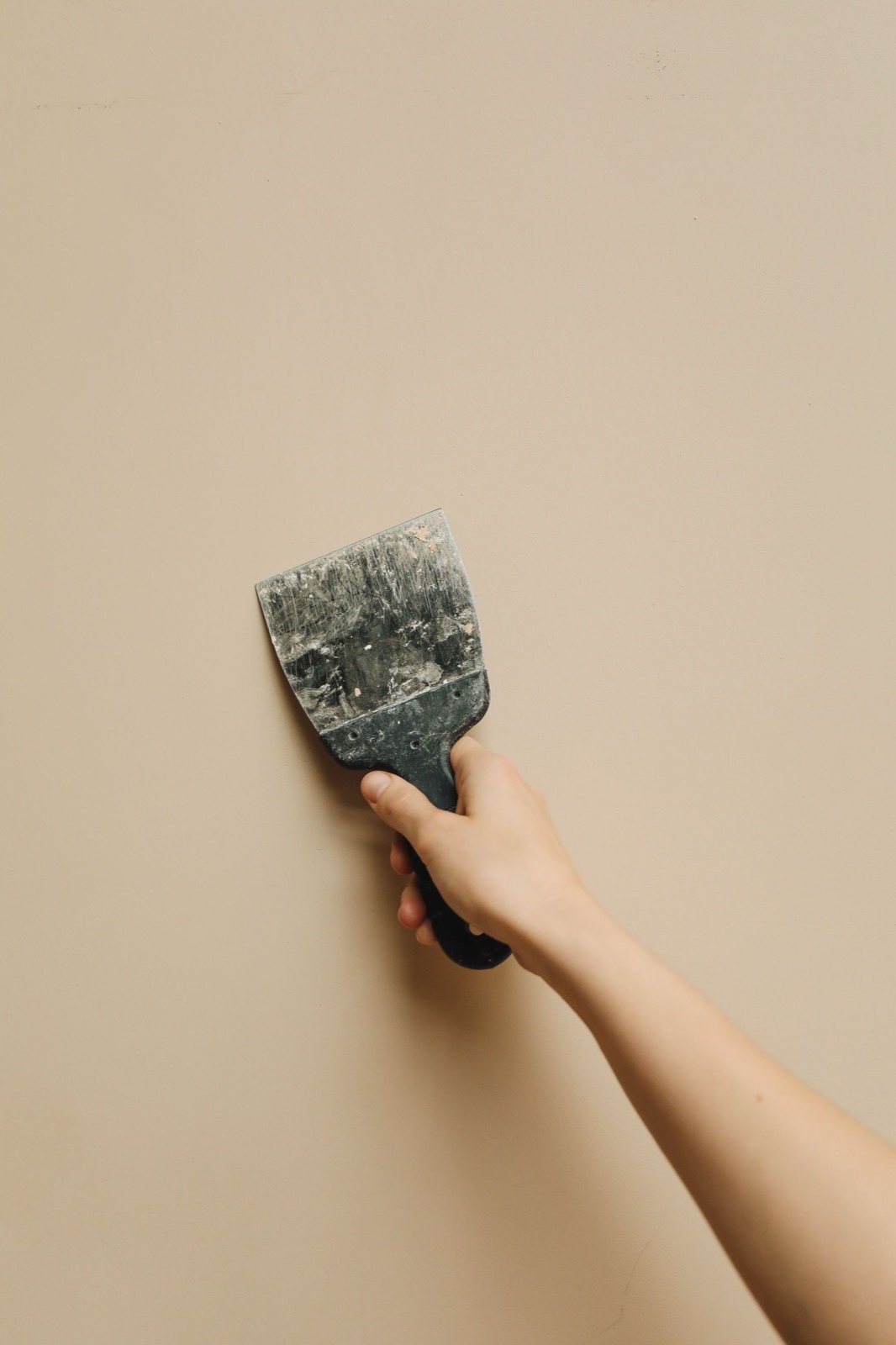
Prepare
Fill, sand, caulk, mask. Where most of the time goes, and most of the difference is made.
Strip
Old paint taken back layer by layer to sound bare timber, checking for rot as we go, before anything new goes on.
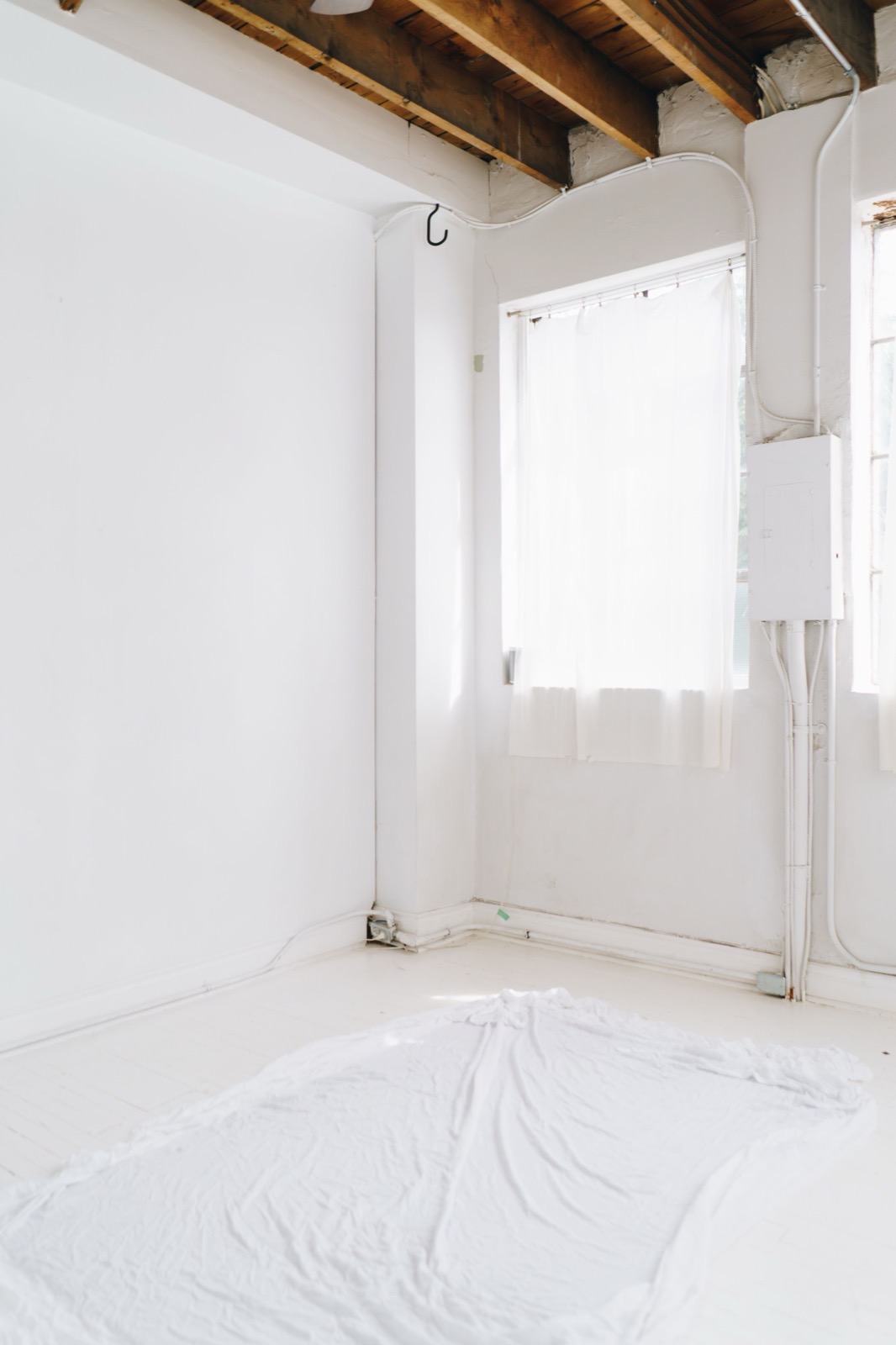
Clean up
Hoover, wipe down, take the rubbish with us. You wouldn't know we'd been — except for the finish.
Where we cover wood & window stripping
If your postcode is on this list, we'll come out and quote free of charge. Not sure if you're in our patch? Send us your postcode — we cover most of London, plus Kent.
- BeckenhamBR3
- BromleyBR1 · BR2
- CroydonCR0
- WimbledonSW19
- GreenwichSE10
- OrpingtonBR5 · BR6
- Sidcup & BexleyDA14 · DA16
- DulwichSE21 · SE22
- ClaphamSW4
- LewishamSE13
- Kingston upon ThamesKT1 · KT2
- TwickenhamTW1 · TW2
- SuttonSM1 · SM2
- WandsworthSW18
Questions about wood & window stripping
Don't see your question here? Send it through the form below — we'll come back to you.
Get a free wood & window stripping quote today.
Fill in the form and we'll call you back — usually the same day. Or message us on WhatsApp if that's easier.